Licensed, Bonded & Insured | Family Owned & Operated
049-028103 IL | IL Pumping License: 054-021753 | IA Pumping License: 12839
25 YRS. EXPERIENCE, FULL SITE PREP EXPERTS - HOW CAN WE HELP?
We Serve: Rock Island, Henry, Knox, or Mercer Counties in Illinois, and Scott County in Iowa
Best Septic Inspection Near Henry County, IL | Homeowner Guide
Why Septic Inspections Are Critical for Homeowners in Henry County, IL
If you’re reading this, there’s a good chance you’re feeling a little uneasy.
Maybe you’re buying a home outside of Geneseo or Orion. Maybe you’re selling a property in Kewanee or Cambridge. Or maybe you’ve lived in your home for years, and lately something just doesn’t feel right. The drains are slower. The yard smells different after rain. The grass over the septic area looks a little too green.
You’re probably wondering:
What if there’s a major problem underground?
What if I buy this house and inherit a failing system?
What if I sell and the deal falls apart?
What if repairs cost more than I can handle right now?
Those are real concerns. And they’re valid.
A septic system is buried. You can’t see it working. And when it fails, it often fails quietly before it becomes obvious. That uncertainty makes people nervous, especially when thousands of dollars could be at stake.
At Triple D Excavating Co., based in Orion, IL, we’ve worked with homeowners near Rock Island, Henry, Knox, Mercer, and Muscatine Counties who felt exactly the same way. Our job isn’t to scare you. It’s to help you understand what’s happening beneath your yard and give you clear answers.
So let’s talk about what the best septic inspection near Henry County, IL really means.
The Hidden Risks of Skipping a Septic Inspection Before Buying a Home Near Henry County
In rural parts of Henry County, many homes rely on private septic systems. Unlike city sewer, there’s no municipal backup. The system on that property is the only thing handling wastewater.
If you skip a septic inspection, you’re essentially buying something you can’t see.
Here’s what we’ve seen happen:
A tank that hasn’t been pumped in years
A drain field saturated beyond recovery
Broken baffles inside the tank
Roots invading the lines
Systems installed decades ago that no longer meet current standards
Sometimes the home looks perfect above ground. New siding. Fresh paint. Nice landscaping.
But underground, the system could be on its last leg.
A proper septic inspection protects buyers and gives sellers credibility. It removes guesswork. It replaces fear with facts.
What Is Included in a Professional Septic Inspection Near Henry County, IL?
Not all inspections are the same. The best septic inspection is thorough and honest.
A professional septic inspection typically includes:
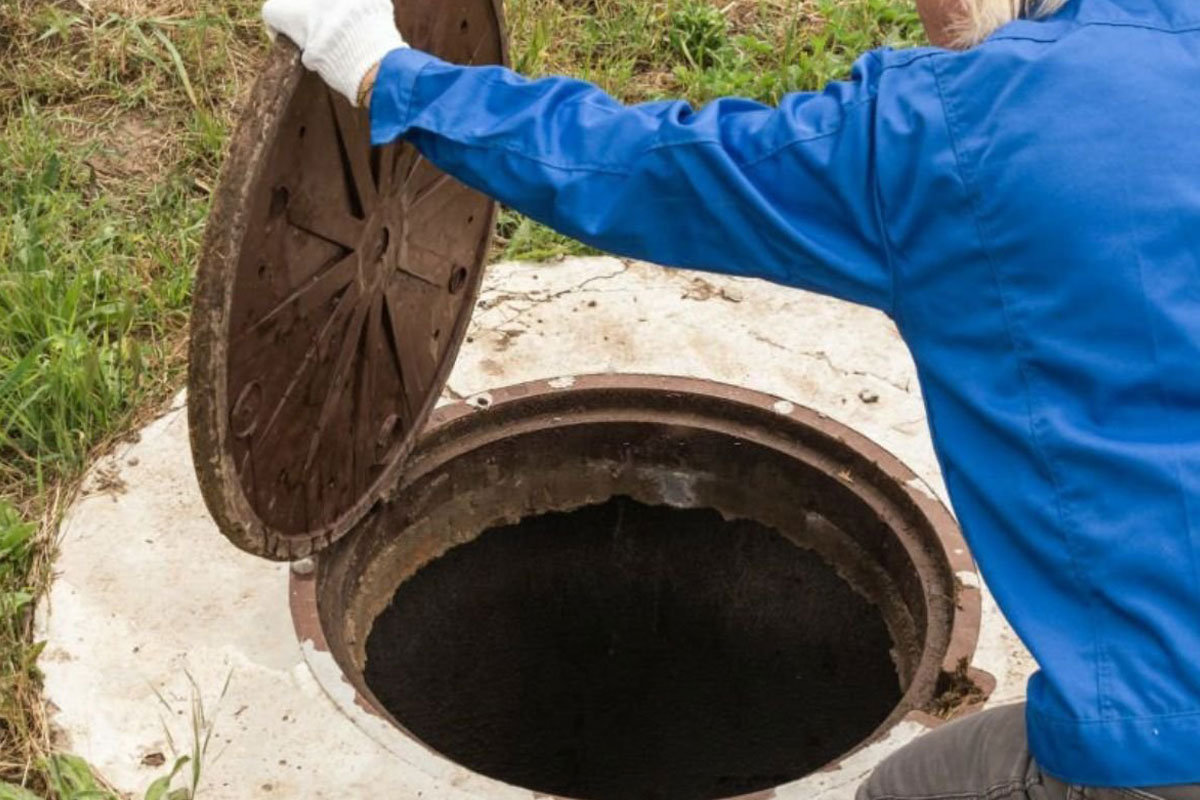
Locating and uncovering the tank
Opening the tank lids safely
Measuring sludge and scum levels
Inspecting baffles and inlet/outlet pipes
Checking for cracks or structural damage
Evaluating the drain field condition
Looking for signs of backup or saturation
Depending on the situation, we may also recommend a camera inspection of the lines to see what’s happening inside the pipes.
The goal isn’t to rush through it. The goal is to understand how the system is performing and whether it’s likely to keep performing.
Septic Inspection vs. Septic Pumping: What’s the Difference?
This is one of the most common points of confusion.
Septic pumping removes waste from the tank. It’s maintenance.
Septic inspection evaluates the health and condition of the entire system.
You can pump a failing system and temporarily make it look fine. But if the drain field is saturated or the lines are damaged, pumping alone won’t fix that.
That’s why inspection matters, especially during a home sale.
Basic Septic Inspection vs. Full Camera Inspection: Which Is Best for Your Property?
There are different levels of inspection.
Basic Inspection
This includes opening the tank, checking levels, and visually inspecting components. It works well for routine evaluations when there are no known problems.
Camera Inspection
A small camera is fed into the lines to check for:
Cracks
Blockages
Root intrusion
Collapsed sections
For older homes in Knox or Mercer County, a camera inspection often provides peace of mind. If a system is 25 or 30 years old, seeing inside the pipes can prevent surprises later.
The best option depends on the age of the system and whether symptoms are present.
Common Septic System Problems Found During Inspections in Henry County Homes
Over the years, we’ve seen patterns in western Illinois.
Some of the most common issues include:
Drain Field Saturation
Clay-heavy soil in this region drains slowly. When too much water enters the system, the drain field can’t absorb it fast enough.
Root Intrusion
Large trees planted near septic lines often send roots into pipes. Those roots cause clogs and cracks.
Broken Baffles
Baffles help control the flow of waste inside the tank. When they fail, solids can move into the drain field and cause damage.
Neglected Maintenance
Some systems simply haven’t been pumped or inspected in years.
These problems don’t mean disaster. But they do mean action is needed.
How Clay Soil and Weather in Western Illinois Impact Septic Systems
Henry County and surrounding areas have a mix of soil types, but clay is common.
Clay holds water. It drains slowly. After heavy rain or snowmelt, the soil can stay saturated for days.
That affects septic performance.
If the drain field is surrounded by wet soil, wastewater has nowhere to go. It backs up. It lingers. Over time, it weakens the system.
That’s why understanding local soil conditions matters. A septic inspection here is different from one in sandy or dry regions.
When Should You Schedule a Septic Inspection in Rock Island, Henry, Knox, Mercer, and Muscatine Counties?
There are three main times to schedule an inspection:
Before buying a home
Before selling a home
When symptoms appear
If you notice slow drains, foul odors, or standing water near the drain field, don’t wait.
Routine inspections every few years can also catch small issues before they become large ones.
What Makes a Septic Inspection the “Best” for Homes Near Henry County, IL?
The best septic inspection isn’t the cheapest. And it isn’t the fastest.
The best inspection is:
Thorough
Honest
Clear in its findings
Backed by local experience
Focused on long-term performance
It should answer your questions, not create more confusion.
It should explain what’s working and what isn’t.
It should give you a realistic outlook, not vague guesses.
Questions to Ask Before Hiring a Septic Inspection Company Near Orion, IL
Before you hire anyone, ask:
How detailed is your inspection process?
Will the tank be opened and evaluated fully?
Do you offer camera inspections if needed?
Are you familiar with local soil conditions?
Will I receive clear documentation of the findings?
You deserve straight answers.
How to Read Reviews of Septic Inspections Near Henry County Without Being Misled
When reading reviews, look for mentions of:
Clear communication
Thoroughness
Professionalism
Honest recommendations
Follow-through after the inspection
Be cautious of vague praise with no details. Specific feedback tells you more about what to expect.
The Real Cost of Septic Failure and Why Inspection Is Cheaper Than Repair
Replacing a drain field or installing a new septic system can cost thousands.
A professional inspection costs a fraction of that.
Think of it like checking the roof before you buy a house. You wouldn’t skip that. The septic system deserves the same attention.
Inspection is not about creating fear. It’s about preventing regret.
How Triple D Excavating Co. Approaches Septic Inspections near Western Illinois
At Triple D Excavating Co., we serve homeowners throughout Orion, Rock Island County, Henry County, Knox County, Mercer County, and Muscatine County.
We approach inspections with one goal: clarity.
We evaluate the system carefully. We explain what we see in plain language. We discuss options without pressure.
We are focused on customizing our services because no two properties are identical. Soil conditions differ. System ages differ. Usage differs.
Our experience in excavation and drainage gives us a broader understanding of how septic systems interact with the land itself.
That matters in this region.
Final Thoughts: Choosing the Best Septic Inspection Near Henry County, IL
If you’re worried about what’s underground, you’re not alone.
It’s normal to feel uneasy about something you can’t see. It’s normal to want certainty before making a big financial decision.
The best septic inspection is the one that gives you clear answers, realistic expectations, and confidence moving forward.
Whether you’re buying, selling, or simply maintaining your home, a proper inspection protects your investment.
And when you understand your septic system instead of guessing about it, that stress starts to fade.
That’s the real goal.
Peace of mind, built on facts.


AVOID COSTLY MISTAKES:
Do NOT hire an excavating contractor without first reading our free guide:
The ULTIMATE Excavation & Septic "Success Guide."

We Offer Septic & Excavation Services Near You!
If you don't see your specific area, contact us and we may still be able to help or give a referral.
Address: 3359 N 1300th Ave, Orion, IL 61273
Hours:
Mon - Fri. 7:00 am - 5:00 pm (Closed Sat & Sun.)
Extended hours by appointment only.


All rights reserved | Privacy policy