
Licensed, Bonded & Insured | Family Owned & Operated
049-028103 IL | IL Pumping License: 054-021753 | IA Pumping License: 12839
25 YRS. EXPERIENCE, FULL SITE PREP EXPERTS - HOW CAN WE HELP?
We Serve: Rock Island, Henry, Knox, or Mercer Counties in Illinois, and Scott County in Iowa
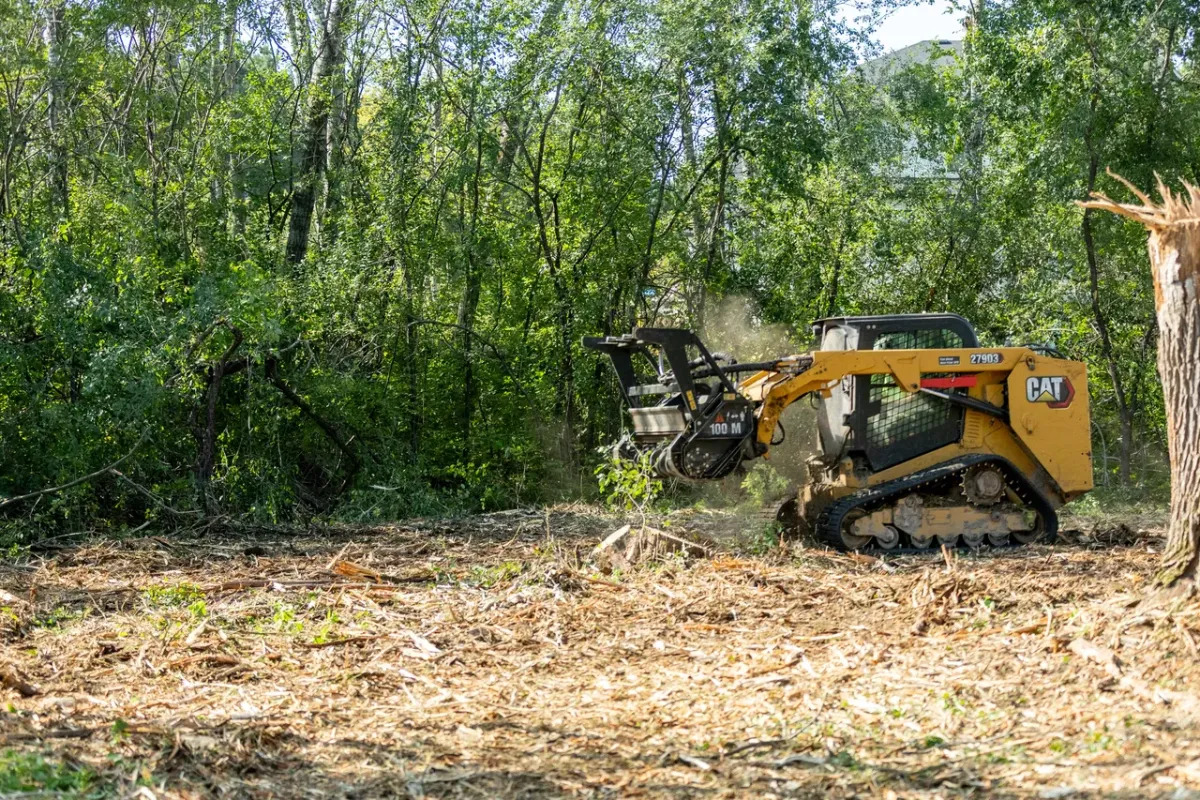
A Local’s Guide to Overgrown Land Clearing Near Rock Island County, IL | Safe & Efficient Lot Clearing Tips
Who This Guide Is For: Rock Island County Homeowners With Overgrown Lots
You’re staring at a lot that used to look like a yard. Now it’s brush, saplings, tangled vines, and maybe a few surprises you’d rather not meet again (hello, poison ivy). You want a safe, clean, build-ready space—without spending money twice or risking an injury. If that’s you, this guide is your shortcut. We clear land every week around Rock Island County and the nearby counties, and we wrote this to make the process simple, safe, and cost-smart.
Why Clear Your Land Now? Safety, Property Value, and Build-Readiness
Overgrowth isn’t just ugly. It hides hazards. Fallen limbs can puncture tires. Stumps twist ankles. Brush invites pests. Dense growth can block drainage and push water toward your home. Clearing early:
Improves safety for family, pets, and crews.
Protects property value by showing a cared-for site.
Speeds up construction by giving builders a clean start.
Reveals real site conditions so you can fix drainage, soft soils, or low spots before you pour money into a project.
If you’re planning spring building, winter is often the smartest time to clear. Frozen ground can support heavy equipment, and you beat the rush.

Rock Island County Land Clearing 101: What “Overgrown” Really Means
“Overgrown” can be light brush—or a mini-forest. We usually see a mix of:
Brush and vines: Honeysuckle, multiflora rose, and grapevine.
Saplings: Fast growers that take over quickly.
Mature trees: Maples, cottonwoods, oaks, and volunteer trees along fencerows.
Stumps and roots: Hidden under leaves or high grass.
Debris: Wire, tires, concrete chunks—things that eat equipment teeth if you don’t find them first.
Each layer needs a different approach. That’s why a quick walkthrough matters.
Safety First: How to Clear Land Without Hurting People or Property
Safety isn’t optional. We follow a simple order:
Walk the site: Flag hazards, wet areas, and utilities.
Set a buffer: Keep people and pets out of the work zone.
Work top-down: Remove overhead hazards before ground-level work.
Communicate: One lead spotter helps the operator see what’s outside the cab’s view.
Control traffic: Use spotters near drives, mailboxes, and roads.
Watch the weather: Wind and ice change how trees behave.
A site that’s cleared safely is cheaper to build on later—no surprises, no damaged driveways, no broken fences with the neighbor.
Know the Rules: Permits, Erosion Control, and Local Requirements in Rock Island County, IL
Rules are not the same everywhere. Depending on your town or township, you may need:
Tree or vegetation permits for removals above a certain size.
Erosion control measures (silt fence, straw wattles) if your site slopes or drains to ditches or creeks.
Right-of-way rules near roads and utilities.
Stormwater best practices if the project is tied to a build.
We help you understand what applies and set up basic controls so you don’t get a stop-work call.
Before You Start: Call 811 to Locate Underground Utilities
Always call 811 before digging or stump work. Gas, electric, water, fiber, and old phone lines may be closer to the surface than you think. It’s free to call, and it prevents injuries, outages, fines—and worse. We will not dig until the utilities are marked and verified.
What’s On Your Lot? Brush, Trees, Stumps, Vines, and Hidden Debris
A good plan starts with a simple inventory:
Brush & vines: Best for forestry mulching or cutting with a brush head.
Trees: Can be mulched if small; larger trees need felling and removal.
Stumps: Grind or excavate, depending on your future use (lawn vs. building).
Roots: Key if you’re planning a driveway, shop, or home—roots must go to avoid future sink spots.
Debris: We stage and sort for disposal or recycling.
Lot Clearing Methods Compared: Forestry Mulching vs. Traditional Clearing
There’s no “one best” method. We pick what fits your site, timeline, and budget.
Forestry Mulching
What it is: A rotating drum head shreds brush, saplings, and small trees into mulch.
Best for: Thick brush, light trees, quick visibility, erosion protection from instant mulch.
Pros: Fast, clean, minimal soil disturbance. Mulch helps control weeds and runoff.
Cons: Doesn’t remove stumps/roots. Not ideal for build pads or driveways on its own.
Traditional Clearing (Excavator + Dozer + Chainsaws)
What it is: Cut trees, pull stumps, stack and haul. Grading and shaping follow.
Best for: Build-ready sites, driveways, foundations, utility trenching.
Pros: Removes roots and stumps, allows grading and compaction right away.
Cons: More soil disturbance, requires erosion controls, usually more hauling.
Hybrid Approach
We often mulch first to open sightlines and reduce volume, then circle back to excavate stumps and grade where building will happen. It saves time and money.
When to Clear: Best Months for Land Clearing in the Quad Cities Area
Winter (Dec–Feb): Frozen ground supports heavy machines; fewer ticks and vines; brush thins out. Great for access and staging.
Early Spring (Mar–Apr): Watch for wet soils; plan for erosion control.
Late Spring–Summer: Good production weather, but vegetation grows fast, and storm cleanup can add days.
Fall (Sept–Nov): Leaves down; easier to see grade and drainage.
If you’re building in spring, winter clearing is your head start.
What It Costs to Clear Overgrown Land Near Rock Island County (and Why)
Costs vary based on:
Acreage and density: Light brush vs. heavy timber.
Method: Mulching is often cheaper per acre than full removal; excavation adds time for stump/haul/disposal.
Access: Tight gates, slopes, and soft soils slow everything.
Hauling & disposal: Wood waste, stumps, and debris handling change the price.
Add-ons: Grading, driveway base, drainage work.
We provide line-item estimates so you can see exactly what drives the number and where we can adjust to fit your budget or timeline.
Drainage and Erosion: Protecting Soil, Ditches, and Neighboring Properties
Clearing changes how water moves. We look for:
Natural swales and low spots that need shaping.
Ditch lines and culverts that need to stay open.
Soil type: Some clay soils need compaction and slope to shed water.
Simple controls: Mulch, silt fence, straw, or rock check dams to keep soil in place.
A little planning here prevents ruts, mud, and neighbor issues.
Dealing With Stumps, Roots, and Regrowth So It Stays Clear
Your options:
Mulch and leave stumps (fastest, best for trails/habitat areas).
Grind stumps for lawn or garden areas.
Excavate stumps and roots anywhere you plan to build, park, or pour.
Herbicide spot-treatment on targeted regrowth (applied by licensed providers) to keep edges clean.
We’ll match the approach to how you plan to use the land.
Hauling, Recycling, and Disposal: What Happens to the Wood and Brush?
We try to avoid waste:
Chip or mulch on site for erosion control.
Log sorting for firewood or milling when practical.
Brush staging for controlled hauling.
Clean-fill loads separated from debris to reduce dump fees.
Tell us your preferences. Some homeowners want firewood or mulch; others want a totally clean slate.
Wildlife and Habitat: Clearing Responsibly Around Birds and Wet Areas
Wildlife matters. We:
Walk the site for nests and den areas.
Respect wet spots and minimize crossings.
Leave buffer strips where it makes sense for privacy or habitat.
Time work to avoid sensitive periods when possible.
You can clear land and still be a good neighbor to the local ecosystem.
Site Prep Add-Ons: Grading, Access Roads, and Driveway Starts
Most projects benefit from a few extras:
Rough grading: Smooth access for you and future trades.
Driveway starts: Fabric + base rock to prevent ruts and mud.
Culverts and ditch shaping: Keep drainage moving the right way.
Temporary construction pad: A firm, dry place to stage materials.
Doing this now saves headaches later.
How We Work: Triple D Excavating Co.’s Step-by-Step Clearing Process
Conversation & goals: How will you use the land in 6–12 months?
On-site walkthrough: Identify hazards, access, wet spots, and priorities.
Plan & estimate: Clear scope, methods, and line-item pricing.
Utility locates: Call JULIE 811 and mark private lines if needed.
Mobilize & protect: Set erosion controls and buffers.
Clear & sort: Mulch, cut, excavate stumps, stockpile or haul.
Grade & shape: Buildable, drainable, and easy to access.
Final cleanup: Smooth ruts, dress edges, remove debris.
Walk-through: Confirm we hit the goals and note any follow-ups.
Timeline: How Long Land Clearing Really Takes (From Walkthrough to Wrap-Up)
Small residential lots: 1–3 days, depending on density and haul-off.
Acreage with mixed growth: 2–7+ days; add time for stump work and grading.
Weather & access: Ice, wind, and soft soils can add a day or two.
Our schedules are realistic on purpose. We’d rather deliver early than promise the impossible.
Red Flags: Signs You’re About to Hire the Wrong Land Clearing Contractor
Watch out for:
No utility locate plan. That’s a deal-breaker.
Vague pricing. “All-in” with no detail often means change orders later.
No erosion controls. Your yard or the road shouldn’t wash out.
No proof of insurance. You’re the one at risk.
Won’t walk the site. Every lot is different. A good pro wants to see it.
Insurance, Licensing, and References: Protect Yourself Before You Sign
Ask for:
General liability and workers’ comp certificates naming you as certificate holder.
Equipment list and method explanation for your site conditions.
Local references with similar goals—clearing for a pole barn is different than clearing for a home.
A simple, written scope with start/finish expectations, disposal notes, and erosion control responsibilities.
Your Next Steps: Getting a Build-Ready Lot Without the Stress
Decide your end use: Lawn, garden, barn, home, or all of the above.
Pick the method: Mulch for speed and erosion control; excavate where you’ll build.
Set priorities and budget: You can clear in phases and still save.
Schedule winter or early spring clearing to beat the rush.
Line up driveway base and drainage so the site stays clean during construction.
We’re here to tailor the plan—nothing cookie-cutter, because no two lots are the same.
FAQs: Rock Island County Land Clearing Questions, Answered
Will mulching alone make my site build-ready?
Not for buildings or driveways. You’ll still need stump/root removal and grading.
Can you leave certain trees or a privacy screen?
Yes. We flag “keeper” trees and shape the clearing around them.
What happens if you hit rock or old concrete?
We’ll show you, revise the plan, and price the extra work before moving on.
Do I need a permit to clear?
Sometimes. It depends on location, scope, and any linked build. We’ll help you check.
How do we prevent mud after clearing?
Mulch cover, silt fence where needed, and rock base at access points.
Contact Us: Talk Through Your Site Plan
You don’t need a perfect plan to start. You just need a conversation with a team that listens and adjusts the work to fit your land, timeline, and budget. That’s how we work every day in Rock Island, Henry, Knox, Mercer, and Muscatine Counties. Tell us how you want to use your property this year. We’ll help you get there—safely, efficiently, and without surprises.


AVOID COSTLY MISTAKES:
Do NOT hire an excavating contractor without first reading our free guide:
The ULTIMATE Excavation & Septic "Success Guide."

We Offer Septic & Excavation Services Near You!
If you don't see your specific area, contact us and we may still be able to help or give a referral.
Address: 3359 N 1300th Ave, Orion, IL 61273
Hours:
Mon - Fri. 7:00 am - 5:00 pm (Closed Sat & Sun.)
Extended hours by appointment only.


All rights reserved | Privacy policy