Licensed, Bonded & Insured | Family Owned & Operated
049-028103 IL | IL Pumping License: 054-021753 | IA Pumping License: 12839
25 YRS. EXPERIENCE, FULL SITE PREP EXPERTS - HOW CAN WE HELP?
We Serve: Rock Island, Henry, Knox, or Mercer Counties in Illinois, and Scott County in Iowa
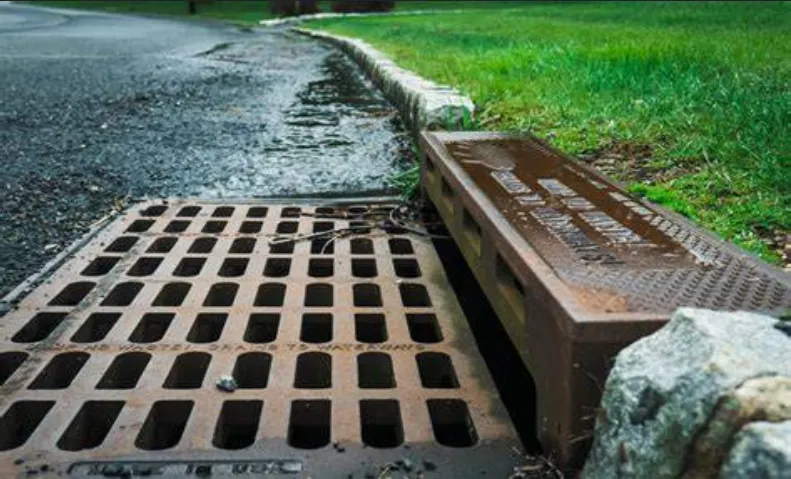
Why Your Yard Keeps Flooding | Drainage Systems Near Scott County, Iowa
Why Your Yard Keeps Flooding in Scott County, Iowa (And Why It’s So Frustrating)
If your yard keeps flooding, you already know how frustrating it can be.
You walk outside after a normal rain, and instead of a usable yard, you’re looking at puddles that won’t go away. Maybe your grass feels soggy for days. Maybe parts of your yard are starting to turn into mud. Or worse, you’re starting to wonder if that water is getting too close to your home.
And the thought that keeps coming back is:
“This shouldn’t be happening… right?”
You didn’t buy your property expecting to deal with standing water every time it rains. You want to use your yard, not avoid it.
At Triple D Excavating Co., based in Orion, IL and serving areas like Scott County and nearby communities, we’ve talked to a lot of homeowners dealing with this exact problem. You’re not just annoyed. You’re concerned.
Because deep down, you know this might not just be a yard issue. It could turn into something bigger.
What Standing Water in Your Yard Is Really Trying to Tell You
Water doesn’t just show up without a reason.
If your yard is holding water, it usually means something isn’t working the way it should. Your property is supposed to move water away naturally. When that doesn’t happen, the water has nowhere to go.
Instead, it collects in low spots, near your home, or across large areas of your yard.
That’s your property sending you a signal.
It’s telling you the drainage isn’t doing its job.
Common Causes of Yard Flooding Near Scott County, Iowa
There isn’t just one reason yards flood. In most cases, it’s a combination of factors.
Some of the most common causes include:
Poor grading that directs water toward your home
Heavy or compacted soil that doesn’t absorb water well
Low spots where water naturally collects
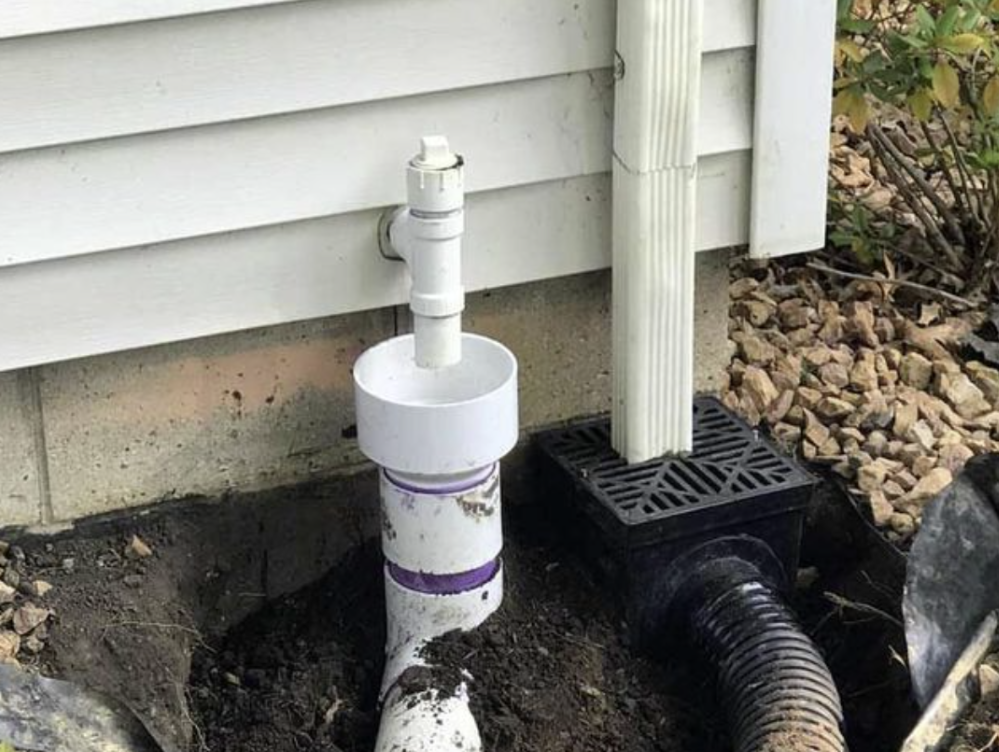
Downspouts that release water too close to the foundation
Lack of a proper drainage system
Sometimes the issue has been there from the beginning. Other times, it develops over time as the land shifts or settles.
How Soil and Weather in Scott County Affect Drainage Problems
In Scott County, the soil plays a big role.
Some soils in this area don’t drain quickly. They hold water longer than expected, especially after heavy rain. When the ground is already saturated, even a small storm can lead to standing water.
Add in seasonal weather patterns, and the problem can get worse.
Heavy rains in the spring and summer, followed by periods where the ground doesn’t fully dry out, create the perfect conditions for drainage issues.
That’s why drainage systems near Scott County, Iowa need to be designed with these conditions in mind.
Why Poor Drainage Can Lead to Bigger Property Issues
At first, flooding might seem like a surface problem.
But over time, it can lead to more serious issues.
Water that sits too long can:
Weaken your foundation
Damage landscaping and grass
Create erosion that changes the shape of your yard
Lead to mold or moisture problems around your home
What starts as a puddle can turn into a much bigger concern if it’s not addressed.
Signs Your Property Needs Drainage Systems Near Scott County, Iowa
There are a few clear signs that your yard needs more than a quick fix.
If you notice:
Water sitting for more than a day after rain
Soggy ground that never fully dries
Grass that struggles to grow in certain areas
Water pooling near your home
These are strong indicators that your drainage isn’t working properly.
In these cases, drainage systems near Scott County, Iowa are often the long-term solution.
What Happens If You Ignore Yard Drainage Problems Too Long
It’s easy to put this off.
Maybe the flooding comes and goes. Maybe it doesn’t seem urgent right now.
But ignoring it usually leads to bigger problems.
Over time, the water continues to affect your property. It can shift soil, damage structures, and make your yard harder to maintain.
And when the issue finally gets serious enough to fix, it often requires more work than it would have earlier.
How Drainage Systems Near Scott County, Iowa Actually Work
Drainage systems are designed to do one simple thing.
Move water away from where it shouldn’t be.
Instead of letting water sit and soak into areas where it causes problems, a drainage system gives it a controlled path to follow.
That might mean:
Redirecting water away from your home
Collecting water from low areas
Moving it to a safer location on your property
When done correctly, the system works quietly in the background. You don’t think about it, because the problem is gone.
Types of Drainage Systems That Fix Flooding Yards
There are several types of drainage systems, and the right one depends on your property.
Some of the most common include:
French drains that move water underground
Surface drains that collect water from low spots
Downspout extensions that redirect roof runoff
Swales that guide water across the surface
Each option solves a different part of the problem.
That’s why it’s important to match the solution to your specific yard.
French Drains vs Surface Drains: What’s the Right Choice for Your Yard?
Both French drains and surface drains can be effective, but they work differently.
French drains are installed below ground and move water through a pipe system. They’re great for areas where water needs to be redirected out of the soil.
Surface drains sit at ground level and collect water before it has a chance to soak in. They work well for visible pooling.
The right choice depends on how water is behaving on your property.
Drainage Systems Near Scott County, Iowa vs Regrading: Which Do You Need?
Sometimes the issue isn’t just about removing water. It’s about how the land is shaped.
Regrading changes the slope of your yard so water flows in the right direction. In some cases, that alone can solve the problem.
In others, regrading is combined with drainage systems to create a complete solution.
It’s not always one or the other. It’s about what your property needs.
DIY Drainage Fixes vs Professional Drainage Solutions
It’s tempting to try a quick fix.
Maybe you’ve thought about digging a small trench or adding gravel to a problem area.
These can help in minor situations, but they usually don’t solve the root issue.
Professional solutions take into account the entire property. They look at how water moves, where it collects, and how to fix it for the long term.
That’s the difference between a temporary fix and a lasting solution.
How Much Do Drainage Systems Near Scott County, Iowa Cost?
Costs can vary depending on the size of the problem and the type of solution needed.
Smaller fixes might involve simple adjustments. Larger issues may require a full drainage system.
The important thing is understanding what you’re paying for.
A well-designed drainage system doesn’t just fix today’s problem. It helps prevent future ones.
How Triple D Excavating Co. Approaches Drainage Solutions
At Triple D Excavating Co., we focus on understanding your property before recommending a solution.
Every yard is different. Soil, slope, and water flow all play a role.
We take the time to look at how your property behaves, not just where the water is sitting. From there, we design a solution that fits your needs.
Our goal is simple. Fix the problem in a way that lasts.
How to Choose the Right Drainage System for Your Property
Choosing the right solution starts with understanding your yard.
Ask yourself:
Where is the water coming from?
Where is it collecting?
How long does it stay?
From there, you can begin to narrow down the right approach.
Working with someone who understands local conditions can also make a big difference.
Final Thoughts: Fixing Yard Flooding the Right Way in Scott County, Iowa
A flooded yard isn’t something you have to live with.
It’s a sign that something isn’t working the way it should. And with the right approach, it can be fixed.
If you’ve been dealing with standing water, soggy ground, or drainage issues, now is the time to address it.
With properly designed drainage systems near Scott County, Iowa, you can take back your yard and stop worrying every time it rains.
And once it’s fixed, you’ll wonder why you waited so long.


AVOID COSTLY MISTAKES:
Do NOT hire an excavating contractor without first reading our free guide:
The ULTIMATE Excavation & Septic "Success Guide."
We Offer Septic & Excavation Services Near You!
If you don't see your specific area, contact us and we may still be able to help or give a referral.
Address: 3359 N 1300th Ave, Orion, IL 61273
Hours:
Mon - Fri. 7:00 am - 5:00 pm (Closed Sat & Sun.)
Extended hours by appointment only.


All rights reserved | Privacy policy