Licensed, Bonded & Insured | Family Owned & Operated
049-028103 IL | IL Pumping License: 054-021753 | IA Pumping License: 12839
25 YRS. EXPERIENCE, FULL SITE PREP EXPERTS - HOW CAN WE HELP?
We Serve: Rock Island, Henry, Knox, or Mercer Counties in Illinois, and Scott County in Iowa
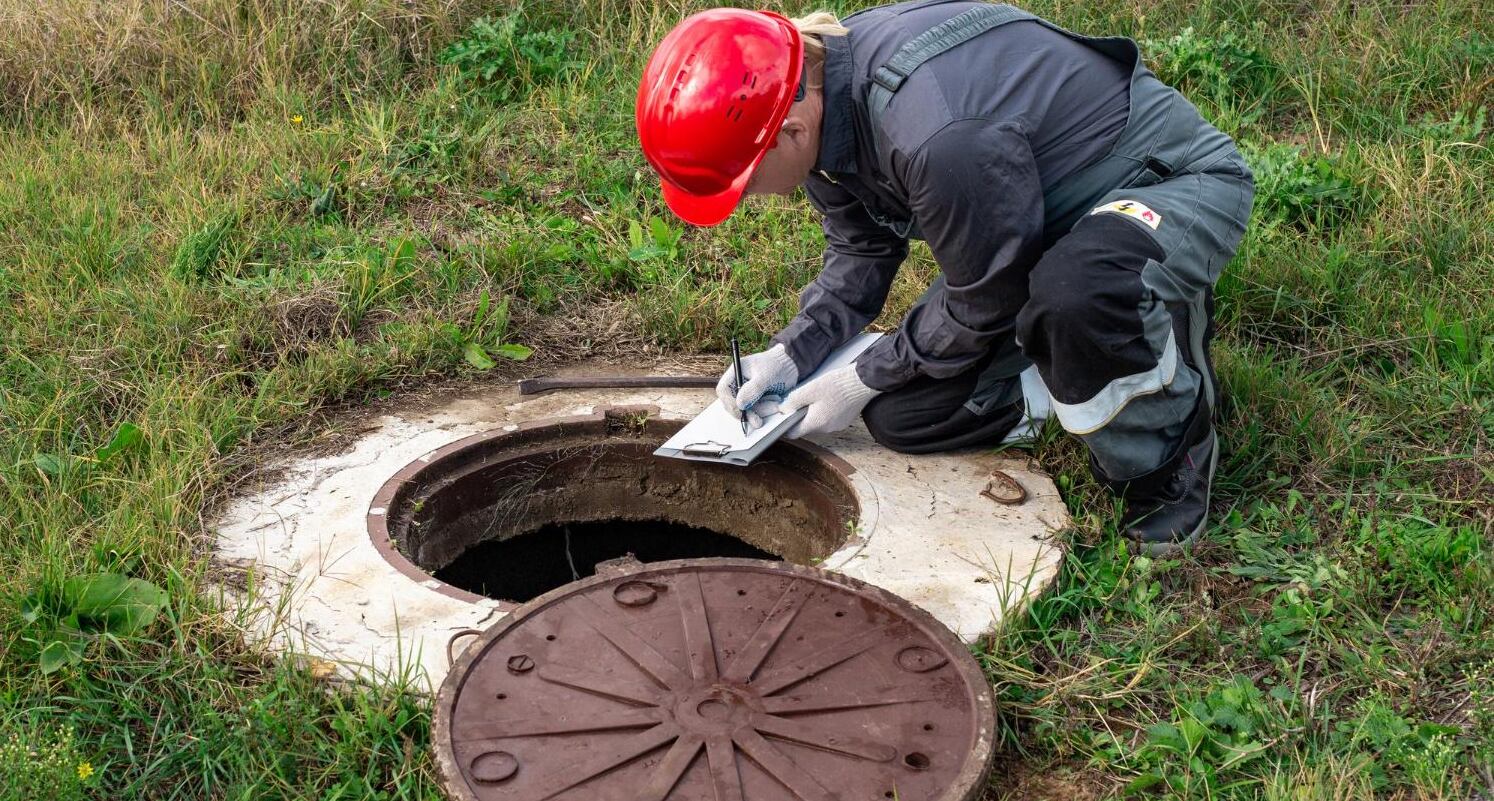
Best Time for Septic Inspection near Scott County, Iowa
Why Timing Your Septic Inspection near Scott County, Iowa Matters More Than You Think
You probably don’t think about your septic system much. Most homeowners don’t—until something goes wrong.
Maybe you’ve noticed a slow drain. A smell outside that doesn’t seem right. Or maybe you’re buying a home and someone tells you, “You should probably get the septic checked.”
Now you’re left wondering when to do it.
Do you wait until there’s a real problem?
Is there a “right” time of year?
Will it cost more if you wait too long?
That uncertainty is what trips people up.
From your side, it’s not just about timing. It’s about avoiding a mistake that could cost thousands. You don’t want to deal with a failed system, a torn-up yard, or surprise repairs right after moving in.
We understand that.
At Triple D Excavating Co., based in Orion, Illinois, we work with property owners across Rock Island, Henry, Knox, Mercer, and Muscatine Counties—including many near Scott County, Iowa—who are trying to stay ahead of septic problems before they turn into something bigger.
The truth is, timing your septic inspection isn’t random. It plays a real role in what you find, how much you spend, and how well your system holds up over time.
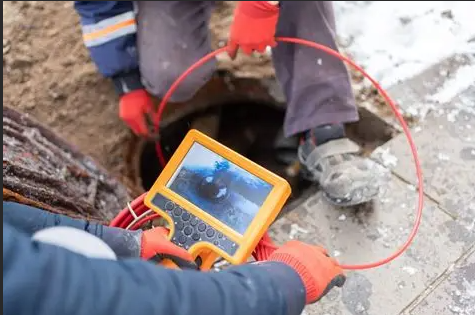
What a Septic Inspection Actually Looks Like for Homeowners in Scott County, Iowa
Before talking about timing, it helps to understand what’s involved.
A septic inspection isn’t just a quick look at the tank.
A proper inspection typically includes:
Checking the condition of the tank
Measuring sludge and scum levels
Looking at the inlet and outlet baffles
Evaluating the drain field performance
Watching how water flows through the system
Identifying signs of leaks, backups, or wear
In some cases, it may also include a camera inspection of lines.
The goal is simple: figure out how your system is functioning today—and whether anything is starting to go wrong.
The Best Time of Year to Schedule a Septic Inspection near Scott County, Iowa
If you’re looking for a general answer, most septic inspections in Scott County, Iowa are scheduled during:
Spring
Early summer
Fall
These seasons offer the best balance of accessibility and accurate system conditions.
The ground isn’t frozen. Water levels are easier to evaluate. And contractors can see how your system handles real-world conditions.
But that doesn’t mean those are your only options.
Why Spring and Early Summer Are Popular for Septic Inspections
Spring is one of the busiest times for septic inspections—and for good reason.
After winter, your system has gone through freeze-thaw cycles, snowmelt, and often higher groundwater levels.
That makes spring a great time to spot problems like:
Drain field saturation
Slow drainage caused by wet soil
Cracks or damage from freezing temperatures
Early summer offers similar benefits, with slightly drier conditions that make access easier.
If your system made it through spring without issues, that’s usually a good sign.
But if there’s a problem, this is when it often shows up.
When Fall Septic Inspections Make the Most Sense for Your Property
Fall is another strong option, especially if you want to prepare your system for winter.
By this point in the year:
Soil conditions are more stable
Water levels are typically lower
Your system has been used consistently throughout the year
This makes it easier to evaluate how everything is holding up.
A fall inspection can help you:
Catch small issues before winter
Schedule repairs before the ground freezes
Avoid emergency problems during colder months
For many homeowners, this is about peace of mind heading into winter.
Winter Septic Inspections near Scott County, Iowa: What You Should Know
Winter inspections are possible—but they come with limitations.
Frozen ground can make it harder to:
Access the tank
Evaluate the drain field
See how water is moving through the soil
In some cases, snow cover can also hide problem areas.
That doesn’t mean inspections can’t happen in winter. It just means they may not give you the full picture.
If you’re dealing with an urgent issue, you don’t wait.
But for routine inspections, most homeowners in Scott County, Iowa prefer to schedule outside of winter when possible.
How Weather and Soil Conditions Affect Septic Inspections
Septic systems don’t operate in a vacuum. They’re directly affected by the ground around them.
In areas like Scott County, Iowa, where soil can vary and moisture levels change with the seasons, timing matters.
For example:
Wet soil can make a system look worse than it is
Dry soil can hide drainage issues
Frozen ground limits visibility
This is why inspections at different times of year can show different results.
A well-timed inspection gives a more accurate view of how your system performs under normal conditions.
When You Should Schedule a Septic Inspection Immediately (No Matter the Season)
Sometimes timing doesn’t matter.
If you’re seeing warning signs, you shouldn’t wait for the “right” season.
Common red flags include:
Slow drains throughout the house
Gurgling sounds in plumbing
Sewage odors inside or outside
Wet spots or pooling water in the yard
Sewage backing up into the home
These are signs that something isn’t working properly.
Waiting can turn a manageable issue into a much larger repair.
Septic Inspections Before Buying or Selling a Home in Scott County, Iowa
If you’re buying or selling a home, a septic inspection should be part of the process.
For buyers, it’s about avoiding surprises.
A system that looks fine on the surface could need major repairs. Without an inspection, you wouldn’t know until after you move in.
For sellers, it’s about transparency.
Having a recent inspection can:
Build trust with buyers
Speed up the sale process
Reduce the chance of last-minute negotiations
Timing matters here too. Scheduling early gives you time to address any issues before closing.
How Often You Should Schedule a Septic Inspection for Long-Term Maintenance
Most homeowners should schedule a septic inspection every 3 to 5 years.
However, that timeline can change based on:
Household size
System age
Usage habits
Previous issues
If your system is older or sees heavy use, more frequent inspections may be a good idea.
Regular inspections are less about fixing problems and more about preventing them.
Common Septic Problems Found During Inspections in Scott County, Iowa
During inspections, we often see issues that started small but grew over time.
Common findings include:
Excess sludge buildup
Failing baffles
Drain field saturation
Cracked or aging tanks
Poor drainage around the system
Most of these problems don’t happen overnight.
They develop slowly, which is why timing your inspection—and doing it regularly—matters.
How Scheduling at the Right Time Can Save You Money on Repairs
This is where timing really makes a difference.
Catching a problem early often means:
Smaller repairs
Less excavation
Lower overall cost
Waiting too long can lead to:
Full system replacement
Extensive yard damage
Higher labor and material costs
A well-timed inspection gives you options. It allows you to plan instead of react.
What to Look for in a Septic Inspection Company Near Scott County, Iowa
Not all inspections are the same.
When choosing a company, look for someone who:
Takes time to evaluate the full system
Explains what they’re seeing in plain terms
Identifies potential problems, not just current ones
Understands local soil and conditions
Is willing to tailor the inspection to your property
The goal isn’t just to check a box. It’s to get a clear picture of your system.
Why a Customized Septic Inspection Plan Makes All the Difference
Every property is different.
Soil conditions, system design, and usage all play a role in how a septic system performs.
That’s why a customized approach matters.
At Triple D Excavating Co., we focus on understanding your specific situation.
Not because it sounds good, but because it leads to better decisions.
When inspections are tailored to your property, you get more accurate information—and better outcomes.
Bringing It All Together
The best time to schedule a septic inspection in Scott County, Iowa isn’t just about the calendar.
It’s about what’s happening on your property.
Spring and fall are often ideal. But the right time really depends on your system, your goals, and whether you’re seeing any warning signs.
Understanding that gives you control.
It helps you avoid surprises, manage costs, and keep your system working the way it should.
And for most homeowners, that’s the goal.


AVOID COSTLY MISTAKES:
Do NOT hire an excavating contractor without first reading our free guide:
The ULTIMATE Excavation & Septic "Success Guide."

We Offer Septic & Excavation Services Near You!
If you don't see your specific area, contact us and we may still be able to help or give a referral.
Address: 3359 N 1300th Ave, Orion, IL 61273
Hours:
Mon - Fri. 7:00 am - 5:00 pm (Closed Sat & Sun.)
Extended hours by appointment only.


All rights reserved | Privacy policy