Licensed, Bonded & Insured | Family Owned & Operated
049-028103 IL | IL Pumping License: 054-021753 | IA Pumping License: 12839
25 YRS. EXPERIENCE, FULL SITE PREP EXPERTS - HOW CAN WE HELP?
We Serve: Rock Island, Henry, Knox, or Mercer Counties in Illinois, or Scott County in Iowa
Best Dozer Work Company Near Rock Island County, IL | Guide to Choosing
How to Choose the Best Dozer Work Company Near Rock Island County, IL
You’ve got a property goal in mind - clear a lot, fix a muddy drive, shape a house pad, or tame a yard that never drains right—and you’re wondering who can do it right the first time. If you’re like most homeowners or landowners around Rock Island County, you’re juggling time, budget, and the fear of hiring the wrong crew. You might be worried about surprise costs, sloppy grading, or a mess left behind. We get it. At Triple D Excavating Co. in Orion, IL, we serve Rock Island, Henry, Knox, Mercer, and Muscatine Counties, and we build every plan around your site, your goals, and your timeline. This guide will help you feel confident choosing the best dozer work company for your project—whether you hire us or someone else.
What “Dozer Work” Includes for Rock Island, Henry, Knox, Mercer, and Muscatine Counties
“Dozer work” covers a lot more than pushing dirt. It can include:
Land clearing: trees, brush, and stumps—removed safely, hauled off, and graded smooth.
Rough and finish grading: shaping the ground for a house pad, barn, driveway, or lawn.
Driveway building and repair: building the base, shaping crown and ditches, compacting.
Drainage fixes: swales, berms, culverts, and regrading to move water where it should go.
Building pads: compacted, level, and to spec for sheds, shops, and homes.
Erosion control: silt fence, straw wattles, and smart slopes that last.
The right contractor matches dozer size and blade type to the job, then sets a clear sequence: clear → rough grade → drainage features → base/compaction → finish grade.

Dozer Work Cost in Rock Island County, IL: What Drives the Price
Costs are shaped by five main factors:
Scope: Clearing one acre with heavy timber costs more than smoothing a quarter-acre lawn.
Site conditions: Wet clay, steep slopes, buried debris, or tight access slow everything down.
Hauling and materials: Bringing in gravel or removing stumps changes the bottom line.
Equipment mix: A GPS-equipped dozer and roller cost more, but they can finish faster and cleaner.
Mobilization: Small jobs far from town cost more per hour because moving iron isn’t free.
Pro tip: Ask for a line-item estimate. You’ll see exactly what you’re paying for—hours, materials, trucking, and erosion control. This also makes it easier to prioritize if you need to trim scope.
Dozer Work vs. Skid Steer vs. Excavator: Which Is Right for Your Project?
Dozer: Best for pushing, spreading, and grading large areas. Think driveways, pads, and shaping land fast.
Skid steer: Nimble in tight yards; great for light grading, small cleanups, and finish work.
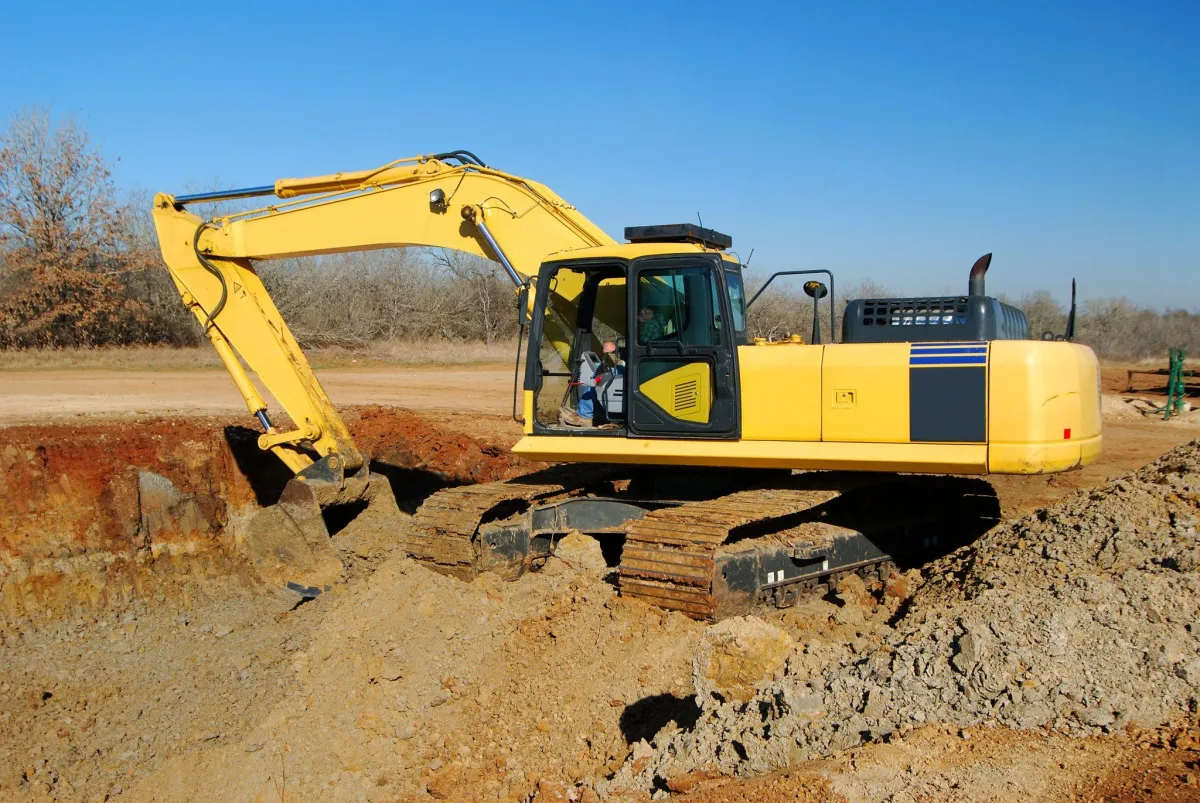
Excavator: Excels at digging, trenching, pulling stumps, and setting culverts.
Most jobs use two or more machines. For example, we might use an excavator to pull stumps and set culverts, then bring the dozer to spread fill and shape the grade, and finish with a skid steer for final touches.
Common Dozer Work Problems in Western Illinois (and How to Prevent Them)
Standing water after rain: Usually a grade or crown problem. Fix with a shallow swale, driveway crown, and compacted base.
Ruts returning every spring: Soil wasn’t compacted or the base was too thin. Use proper lifts (thin layers) and compact each lift.
Erosion at ditches: Slopes too steep or water speed too high. Break the flow with check dams or riprap, and seed/mat right away.
Soft building pads: Fill brought in too wet or not compacted. Test moisture and compact to the correct density.
Solid planning and good field checks prevent almost all of this.
Site Conditions That Change the Plan: Soil, Slope, Drainage, and Access
Soil: Our area has silty clays that hold water. We may need time the work around dry weather, or use geotextile and thicker base.
Slope: Steeper slopes need more erosion control and careful shaping to avoid wash-outs.
Drainage: Water always wins. We set grades that move water where it belongs—away from homes and driveways.
Access: Narrow gates, trees, or overhead lines change which machine we bring and how long the work takes.
We always start with a walk-through and a few simple checks: where water comes from, where it wants to go, and how the ground carries weight.
Grading and Finish Work Standards: How to Spot Quality Dozer Work
Clean transitions: Driveway edges blend smoothly into the yard; no sharp drop-offs.
Consistent crown: A slight high spot down the drive center sheds water left and right.
Uniform slopes: No “bird baths” (low spots).
Compaction: Tire tracks should be shallow; base should feel firm underfoot.
Immediate stabilization: Seed, straw, mats, or rock go down right after shaping.
If you see puddles within 48 hours of a normal rain, something’s off.
Permits, Erosion Control, and Local Rules in Rock Island County, IL
Even small projects can trigger rules if you’re near a ditch, stream, or road. Common items:
Driveway permits for new entrances on county or township roads.
Silt control (silt fence, wattles) to keep soil on your site and out of the ditch.
Culvert sizing if you’re crossing a ditch—get it right now to avoid rework later.
A seasoned contractor will flag these early and help you handle them without drama.
Insurance, Licensing, and Safety: Non-Negotiables for Dozer Contractors
Ask for proof of:
General liability and workers’ comp.
Vehicle/trucking coverage if they’re hauling materials.
Experience with your scope and soil type.
You’re inviting heavy equipment onto your property—pick a team that treats safety like a habit, not a slogan.
Equipment Matters: Dozer Sizes, Blades, GPS Grade Control, and When They Help
Small/medium dozers fit tighter sites and leave a cleaner finish.
Wide tracks float better on soft ground.
6-way blades shape crowns and tapers quickly.
GPS grade control (when useful) speeds up pad and slope accuracy.
Right-sized iron equals fewer passes, better finish, and less cost creep.
How to Read Dozer Work Estimates and Contracts (Without the Headache)
Look for:
Scope description: What’s included—and what isn’t.
Unit pricing: By hour, by load, or by cubic yard as needed.
Material specs: Type of rock, thickness, fabric, seeding.
Erosion control: Where, how much, and with what.
Change orders: When they apply and who approves them.
Payment schedule: Clear milestones.
If it’s vague, ask for clarity. A precise estimate protects both sides.
Timeline and Scheduling: What to Expect from Start to Final Grade
A simple path you can track:
Site walk & plan
Utility locates (call before we dig)
Mobilization (moving equipment in)
Clearing & rough grade
Drainage features & base
Finish grade & compaction
Stabilization (seed, mat, or rock)
Walk-through & punch list
Weather matters. Clay soils don’t compact well when wet, so we schedule to hit the right moisture window.
Local Reviews and References: How to Verify a Dozer Company’s Reputation
Ask for two recent jobs like yours—pads, drives, clearing.
Drive by, if possible. Does water stand on the drive? Are ditches clean?
Talk to the owner: Was the crew respectful? Did the final bill match the estimate?
Check photos: Look for clean edges, consistent slopes, and stabilized soil.
Real-world results beat fancy brochures every time.
Red Flags: Warning Signs You’re About to Hire the Wrong Dozer Operator
One-line estimate with no details.
Won’t talk drainage.
No proof of insurance.
Promises the lowest price without seeing the site.
Won’t commit to compaction or stabilization.
If your gut says pause, pause. A small delay now avoids a big repair later.
DIY vs. Hiring a Pro for Dozer Work Near Rock Island County, IL
DIY can work for small, simple projects if you have time and accept some trial-and-error. But renting a dozer is not like renting a mower. Mistakes with grade and water can cost more to fix than hiring it done right.
When to hire a pro:
You need drainage to work—no exceptions.
You’re building a pad for a home, barn, or shop.
You have heavy clay or a slope that can wash out.
You want a clean finish that lasts.
How Triple D Excavating Co. Customizes Dozer Work for Your Property
We build the plan around your site:
Listen first: What’s the goal? What’s bugging you most—mud, ruts, poor access?
Walk the ground: Find high/low spots, soft pockets, and where water wants to go.
Right machine, right time: We bring the toolset your site actually needs.
Clear scope and price: Line items for materials, trucking, erosion control.
Weather-smart scheduling: We hit the moisture window for clean compaction.
Finish and stabilize: Seed or rock so the work holds up.
Walk-through: If anything bugs you, we address it before we demobilize.
We don’t copy-paste plans. Your ground gets a plan that fits your ground.
Checklist: How to Hire the Best Dozer Work Company Near Rock Island County, IL
Print this and keep it handy:
Walk the site together and discuss water flow
Confirm scope, materials, and compaction in writing
Get proof of insurance and workers’ comp
Ask for two recent, local references
Review a line-item estimate and timeline
Talk erosion control and stabilization
Clarify change-order rules
Schedule around weather for clay soils
Do a final walk-through before final payment
FAQ: Quick Answers About Dozer Work near Rock Island, Henry, Knox, Mercer, and Muscatine Counties
Q: How long will my dozer project take?
A: Small drive rehabs can be a day or two; clearing and pad work often take a few days. Weather and soil moisture set the pace.
Q: Do I need permits?
A: Sometimes. New drive entrances, culverts, and work near ditches can require approvals. We’ll help you sort it out.
Q: What if it rains?
A: In heavy clay, we may pause to protect your finish and compaction. Rushing in bad conditions costs more later.
Q: Can you work in tight backyards?
A: Yes. We match the machine to the access. Sometimes we use smaller equipment to protect lawns and trees.
Q: How soon should I seed or rock?
A: Right away. Stabilization protects your investment and keeps soil in place.
Get a Custom Dozer Work Plan from Triple D Excavating Co. in Orion, IL
If you’re tired of mud, ruts, and water going where it shouldn’t, let’s walk your site together. At Triple D Excavating Co., we serve Rock Island, Henry, Knox, Mercer, and Muscatine Counties with plans that fit your property, not just the machine. We’ll talk goals, mark grades, line-item the estimate, and schedule work when conditions are right—so the result looks good and stays that way.
When you’re ready, we’re here to help you shape the ground to match your vision.


AVOID COSTLY MISTAKES:
Do NOT hire an excavating contractor without first reading our free guide:
The ULTIMATE Excavation & Septic "Success Guide."

We Offer Septic & Excavation Services Near You!
If you don't see your specific area, contact us and we may still be able to help or give a referral.
Address: 3359 N 1300th Ave, Orion, IL 61273
Hours:
Mon - Fri. 7:00 am - 5:00 pm (Closed Sat & Sun.)
Extended hours by appointment only.


All rights reserved | Privacy policy